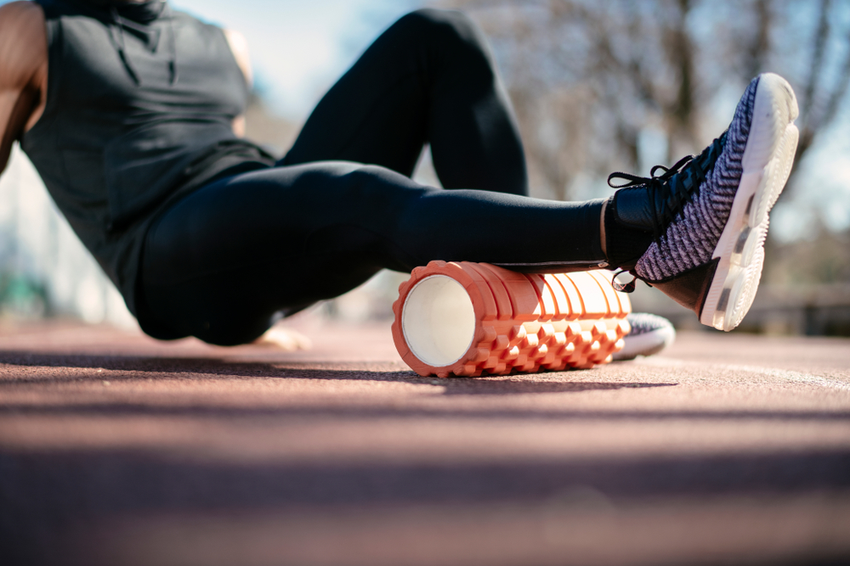
If you've spent any time in a gym, physical therapy clinic, or yoga studio in recent years, you've probably seen foam rollers. These cylindrical tools — ranging from soft and smooth to firm and textured — have become a staple of modern fitness. But foam rolling isn't just a trend. It's a form of self-myofascial release (SMR) that delivers real, measurable health benefits backed by a growing body of research.
To understand why foam rolling works, you first need to understand fascia.
What Is Fascia?
Fascia is a thin layer of connective tissue that surrounds and holds every organ, blood vessel, bone, nerve fiber, and muscle in place. Think of it as a web of tissue that runs throughout your entire body, providing structure and support. When fascia is healthy, it's supple and flexible, allowing smooth movement between muscle groups.
But fascia can become tight, restricted, or develop adhesions due to injury, overuse, poor posture, inflammation, or inactivity. When this happens, it restricts movement, causes pain, and reduces the efficiency of your muscles. Foam rolling applies sustained pressure to these restricted areas, helping to break up adhesions and restore the fascia to a healthier state.
Here are five evidence-based benefits of making foam rolling a regular part of your routine.
1. Break Up Scar Tissue and Adhesions
When muscles are injured or chronically stressed, the body lays down scar tissue as part of the healing process. While necessary, scar tissue is less elastic and less functional than healthy tissue. Over time, adhesions — areas where layers of fascia stick together — can develop, creating "knots" that restrict movement and cause discomfort.
Foam rolling applies direct, sustained pressure to these adhesions, helping to break them up and restore normal tissue quality. This process is similar to what a massage therapist does with deep tissue work, but you can do it yourself, on your own schedule. Research published in the Journal of Bodywork and Movement Therapies found that self-myofascial release significantly improved tissue mobility and reduced pain sensitivity in areas with fascial restrictions.
2. Improve Circulation
When you roll over a muscle, you temporarily compress the blood vessels within it. When you release the pressure, fresh blood rushes in, delivering oxygen and nutrients to the tissue while flushing away metabolic waste products like lactic acid and carbon dioxide. This process — similar to wringing out a sponge and letting it re-absorb clean water — enhances local circulation and accelerates recovery.
Improved circulation isn't just about recovery. Healthy blood flow supports tissue repair, reduces inflammation, and keeps muscles functioning optimally. If you spend long hours sitting at a desk, foam rolling can help counteract the circulatory stagnation that comes with prolonged inactivity.
3. Increase Tissue Mobility and Flexibility
Tight fascia restricts your range of motion, making it harder to perform exercises correctly and increasing your risk of injury. Foam rolling has been shown to increase flexibility without the performance decreases that can accompany static stretching.
A study in the Journal of Strength and Conditioning Research found that foam rolling the quadriceps for just two minutes increased knee range of motion by an average of 10 degrees — with no decrease in muscle force production. This makes foam rolling an excellent tool to use before workouts as part of your warm-up. You gain flexibility and mobility without sacrificing strength or power.
For best results, roll slowly over each muscle group, spending extra time on areas that feel particularly tight or tender. When you find a sensitive spot, hold the pressure there for 20 to 30 seconds until you feel the tension release.
4. Increase Athletic Performance
By improving tissue quality, circulation, and mobility, foam rolling creates the conditions for better physical performance. When your muscles can move freely through their full range of motion, you generate more force, move more efficiently, and reduce energy waste from compensatory movement patterns.
Research supports this connection. A study in the International Journal of Sports Physical Therapy found that athletes who incorporated foam rolling into their pre-workout routine demonstrated improved sprint times, vertical jump height, and power output compared to those who did not. Additionally, foam rolling after workouts has been shown to reduce delayed onset muscle soreness (DOMS) — that deep ache you feel 24 to 48 hours after a hard training session — allowing you to train more consistently and with higher quality.
5. Save Money on Massage and Physical Therapy
Regular massage therapy and frequent physical therapy visits can add up quickly. While there's absolutely a place for professional treatment — especially for acute injuries or complex movement issues — foam rolling empowers you to maintain your body's soft tissue health on a daily basis at minimal cost.
A quality foam roller costs between $15 and $40 and lasts for years. For that one-time investment, you get a tool that you can use every day, in your own home, on your own schedule. Many physical therapists and sports medicine professionals now teach their clients foam rolling techniques specifically so they can continue their treatment independently between appointments.
This isn't about replacing professional care — it's about supplementing it. Think of foam rolling as daily maintenance, like brushing your teeth, while massage and PT are the deeper cleanings and checkups.
Getting Started
If you're new to foam rolling, start with a softer roller and lighter pressure. Target major muscle groups — calves, quads, hamstrings, glutes, IT band, upper back, and lats. Roll slowly, spending about one to two minutes per muscle group. Breathe deeply and try to relax into the pressure rather than tensing against it.
Foam rolling should produce a "good hurt" — a sensation of productive discomfort, like a deep tissue massage. If the pain is sharp or intense, ease off the pressure or adjust your body position. With consistent practice, you'll notice improved mobility, less stiffness, and better overall movement quality within just a few weeks.