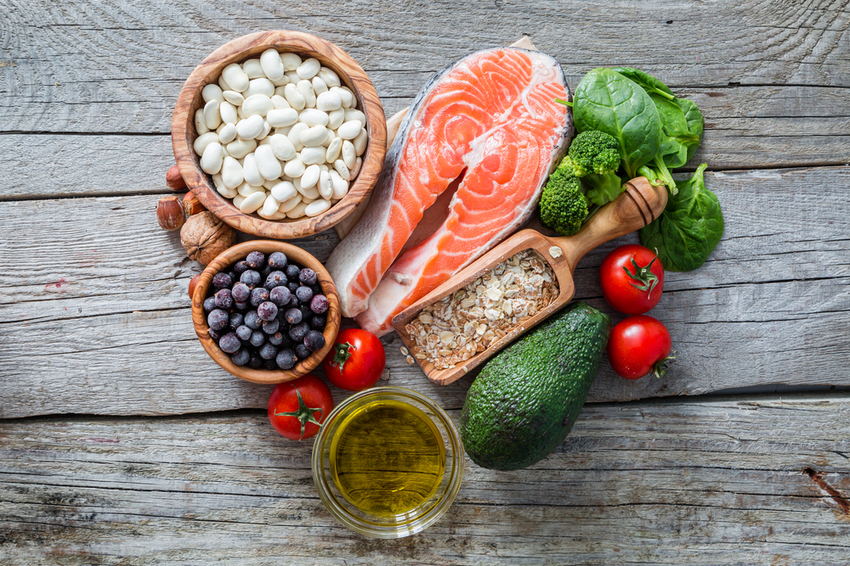
Heart disease is the leading cause of death globally, claiming an estimated 17.9 million lives each year according to the World Health Organization. But here's the encouraging news: research consistently shows that diet is one of the most powerful levers we have for preventing cardiovascular disease. The foods you eat every day directly influence blood pressure, cholesterol levels, inflammation, and arterial health.
Here are eleven foods that science supports as genuinely beneficial for your heart. Build them into your regular rotation and you're making a meaningful investment in your cardiovascular future.
1. Berries
Blueberries, strawberries, raspberries, and blackberries are loaded with anthocyanins — powerful antioxidants that give berries their vibrant color and protect blood vessels from oxidative damage. A study published in Circulation found that women who consumed three or more servings of blueberries and strawberries per week had a 32 percent lower risk of heart attack compared to those who ate berries once a month or less. Add them to your morning oatmeal, blend them into smoothies, or eat them as a simple snack.
2. Fatty Fish
Salmon, mackerel, sardines, and trout are among the richest dietary sources of omega-3 fatty acids — specifically EPA and DHA. These essential fats have been shown to reduce triglycerides, lower blood pressure, decrease blood clotting, and reduce inflammation. The American Heart Association recommends eating at least two servings of fatty fish per week. A landmark meta-analysis published in JAMA Internal Medicine found that regular fish consumption was associated with a 36 percent reduction in death from heart disease.
3. Spinach
Dark leafy greens like spinach are rich in dietary nitrates, which the body converts into nitric oxide — a molecule that relaxes and dilates blood vessels, improving blood flow and reducing blood pressure. Spinach is also an excellent source of potassium, magnesium, folate, and vitamin K, all of which support cardiovascular function. Research in the Journal of Nutrition showed that higher intake of leafy greens was associated with a significantly lower incidence of heart disease.
4. Apples
The old adage has science behind it. Apples are rich in soluble fiber (particularly pectin), which helps lower LDL cholesterol by binding to it in the digestive tract and removing it from the body. They also contain polyphenols — including the flavonoid epicatechin — which have been shown to lower blood pressure. A study from the British Medical Journal estimated that prescribing an apple a day to all adults over 50 could prevent or delay approximately 8,500 cardiovascular deaths per year in the UK alone.
5. Tomatoes
Tomatoes are one of the best dietary sources of lycopene, a carotenoid antioxidant that has been strongly linked to heart health. Lycopene helps reduce LDL cholesterol oxidation — a key step in the development of atherosclerosis. Interestingly, lycopene is more bioavailable when tomatoes are cooked, so tomato sauce, paste, and soup may offer more heart-protective benefits than raw tomatoes. A review in Critical Reviews in Food Science and Nutrition confirmed that higher lycopene intake is associated with reduced risk of heart disease and stroke.
6. Avocado
Avocados are rich in monounsaturated fats — the same heart-healthy fats found in olive oil. These fats help raise HDL (good) cholesterol while lowering LDL (bad) cholesterol. Avocados are also an excellent source of potassium, providing even more per serving than bananas. Adequate potassium intake is critical for blood pressure regulation. A study in the Journal of the American Heart Association found that eating one avocado per day as part of a moderate-fat diet significantly reduced LDL cholesterol levels.
7. Wheat Germ
Often overlooked, wheat germ is the nutrient-dense core of the wheat kernel and a concentrated source of vitamin E, folate, magnesium, and essential fatty acids. Vitamin E acts as a fat-soluble antioxidant that protects LDL cholesterol from oxidation. Folate helps regulate homocysteine levels — elevated homocysteine is an independent risk factor for cardiovascular disease. Sprinkle wheat germ on yogurt, add it to smoothies, or use it as a topping for salads and cereals.
8. Walnuts
Among all tree nuts, walnuts stand out for their high content of alpha-linolenic acid (ALA), a plant-based omega-3 fatty acid. Regular walnut consumption has been shown to improve endothelial function (the health of blood vessel linings), reduce inflammation, and lower total and LDL cholesterol. A study published in the New England Journal of Medicine found that people who ate nuts — including walnuts — at least seven times per week had a 20 percent lower risk of death from all causes, with particularly strong protection against cardiovascular mortality.
9. Green Tea
Green tea is rich in catechins, a type of polyphenol antioxidant with well-documented cardiovascular benefits. Catechins help improve blood vessel function, reduce LDL cholesterol oxidation, and lower blood pressure. A large-scale Japanese study following over 40,000 adults found that those who drank five or more cups of green tea per day had a 26 percent lower risk of death from heart attack or stroke compared to those who drank less than one cup per day. Even one to two cups daily can provide meaningful benefits.
10. Brazil Nuts
Brazil nuts are the world's richest dietary source of selenium — a single nut provides more than 100 percent of the daily recommended intake. Selenium is an essential mineral that plays a critical role in reducing oxidative stress and inflammation, both of which contribute to heart disease. A study in the Journal of Nutrition and Metabolism found that a single serving of brazil nuts improved cholesterol levels within hours, and the benefits persisted for 30 days after consumption. Due to their extremely high selenium content, one to three brazil nuts per day is sufficient — more is not better in this case.
11. Dark Chocolate
Dark chocolate (70 percent cacao or higher) is rich in flavanols, which have been shown to stimulate nitric oxide production, improve blood flow, lower blood pressure, and reduce the risk of blood clots. A meta-analysis in the European Journal of Preventive Cardiology found that consuming chocolate more than five times per week was associated with a 25 percent lower risk of coronary heart disease. The key is moderation — a small square or two after dinner provides the benefits without excess sugar and calories. Choose high-quality dark chocolate with minimal added sugar.
Building a Heart-Healthy Diet
No single food is a magic bullet, but consistently incorporating these eleven foods into a balanced, whole-food-based diet creates a powerful cumulative effect. Combined with regular physical activity, stress management, and adequate sleep, these dietary choices form the foundation of a heart-healthy lifestyle. Your heart works for you every second of every day — return the favor by feeding it well.