In a world that constantly demands more — more productivity, more hustle, more screen time — your body and mind are quietly crying out for the opposite. Sometimes the most powerful thing you can do for your health isn't another high-intensity workout or ambitious goal-setting session. Sometimes it's simply slowing down.
This gentle 15-minute yoga flow is designed for exactly that. Whether you're winding down after a long day, recovering from an intense workout, or just need a moment of calm, these six poses will help you release physical tension, soothe your nervous system, and reconnect with your breath. No yoga experience required.
All you need is a yoga mat or soft surface, comfortable clothing, and a quiet space where you won't be disturbed. Move slowly between poses, breathe deeply, and let go of any need to "perform." This practice is about feeling, not achieving.
1. Child's Pose (Balasana) — 3 Minutes
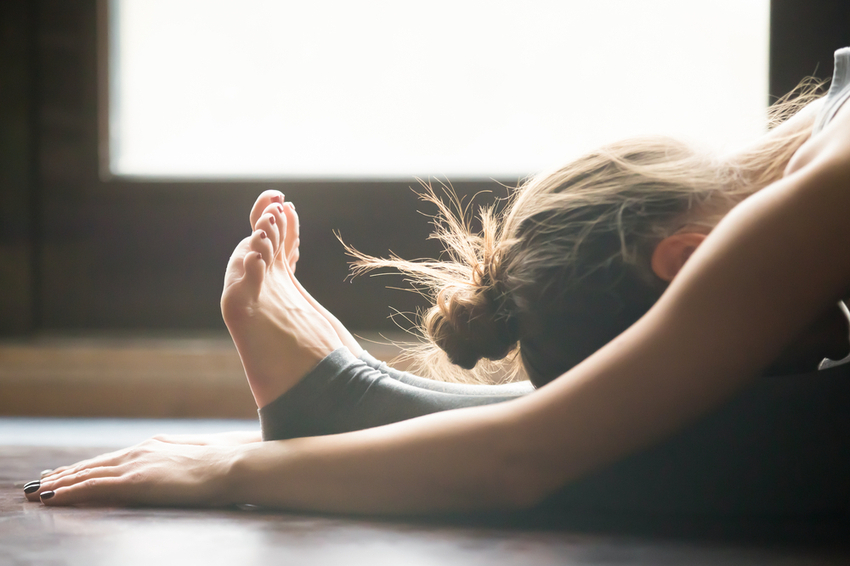
Begin on your hands and knees. Bring your big toes together and spread your knees wide apart — about hip-width or wider, depending on what feels comfortable. Slowly sink your hips back toward your heels as you extend your arms forward along the mat, letting your forehead rest on the ground.
Child's pose gently stretches the hips, thighs, and lower back while calming the brain and relieving stress and fatigue. It activates the parasympathetic nervous system — your body's "rest and digest" mode — signaling to your entire system that it's safe to relax.
Close your eyes and focus on your breath. Inhale slowly through your nose, feeling your ribs expand against your thighs. Exhale completely, letting your body sink a little deeper with each breath. Stay here for about three minutes, or longer if it feels good.
2. Cat and Cow (Marjaryasana-Bitilasana) — 2 Minutes
Come back to a tabletop position with your hands directly under your shoulders and your knees under your hips. On an inhale, drop your belly toward the mat, lift your chest and tailbone toward the ceiling, and gaze gently upward — this is Cow Pose. On an exhale, round your spine toward the ceiling, tuck your chin to your chest, and draw your navel toward your spine — this is Cat Pose.
Flow between these two positions at the pace of your breath. Inhale into Cow, exhale into Cat. This gentle spinal mobilization warms up the spine, releases tension in the back and neck, and creates a rhythmic, meditative movement pattern that naturally calms the mind.
Move slowly and mindfully. There's no rush. Let each movement be initiated by the breath rather than the other way around. Continue for about two minutes, or 10 to 15 breath cycles.
3. Thread the Needle — 2 Minutes per Side
From tabletop, inhale and reach your right arm up toward the ceiling, opening your chest to the right. On an exhale, thread your right arm underneath your left arm, sliding it along the mat until your right shoulder and right temple rest on the ground. Your left hand can stay planted on the mat, or you can extend it forward for a deeper stretch.
Thread the Needle provides a beautiful twist through the thoracic spine (upper and mid back) — an area that holds a tremendous amount of tension, especially for people who sit at desks or drive frequently. It also stretches the shoulders, chest, and outer hips.
Hold for about two minutes, breathing deeply into the stretch. Then slowly unwind, return to tabletop, and repeat on the other side. Notice any differences between sides — it's normal for one side to feel tighter than the other.
4. Supine Chest Opener — 2 Minutes
Carefully roll onto your back. If you have a yoga bolster or a firm pillow, place it lengthwise along your spine so that it supports your entire back and head. If you don't have a prop, simply lie flat. Let your arms fall open to your sides with your palms facing up, and allow your legs to extend or bend at the knees with feet flat on the floor — whichever feels more comfortable.
This passive chest opener counteracts the forward-rounding posture that most of us spend hours in every day. It gently stretches the pectoral muscles, the front of the shoulders, and the intercostal muscles between the ribs, allowing for deeper, fuller breaths. It's also profoundly relaxing — many people find this to be the most restorative pose in the entire sequence.
Let gravity do the work. With each exhale, allow your shoulders to melt further toward the floor. Stay here for two minutes, simply breathing and letting go.
5. Supine Spinal Twist (Supta Matsyendrasana) — 2 Minutes per Side
While lying on your back, draw your right knee toward your chest and then guide it across your body to the left, using your left hand to gently press the knee toward the floor. Extend your right arm out to the side at shoulder height, and turn your gaze to the right if your neck allows.
This reclined twist provides a deep, nourishing stretch for the lower back, glutes, and outer hip. It also gently massages the abdominal organs, which can aid digestion and relieve bloating. Spinal twists are often described in yoga as "wringing out" the spine — releasing stored tension and restoring a sense of balance.
Breathe into any areas of tightness. Hold for about two minutes, then slowly bring your knee back to center and repeat on the opposite side. Move gently — this is not a pose to force.
6. Savasana (Corpse Pose) — 3 Minutes
The final — and arguably most important — pose. Extend both legs long and let your feet fall open naturally. Rest your arms alongside your body with palms facing up. Close your eyes. Let your entire body relax into the mat.
Savasana is the practice of conscious relaxation. Your only job here is to do nothing. Let your breath return to its natural rhythm. Scan your body from head to toe and release any remaining tension — in your jaw, your shoulders, your hands, your hips. Let the floor hold your full weight.
This pose integrates the benefits of your practice, allowing your nervous system to absorb the calming effects of the poses you've just completed. Stay here for at least three minutes — longer if you have the time. When you're ready to come out, begin by wiggling your fingers and toes. Draw your knees to your chest and gently roll to one side. Take a moment before pressing yourself up to a seated position.
Make It a Ritual
This 15-minute flow is short enough to fit into even the busiest schedule, but its effects compound with repetition. Try practicing it every evening before bed, or use it as an active recovery session on rest days. Over time, you'll notice not just improved flexibility and reduced tension, but a calmer mind and a greater capacity to handle whatever life throws at you.